
The Myth of the "Non-Compliant" Patient
It is one of the most common phrases in sleep medicine. A patient returns for follow-up, the data is downloaded, and the usage hours are low. The report is marked: "Patient is non-compliant."
The problem with this label is not that it is inaccurate. The problem is that it assigns blame to the wrong place. It suggests that adherence is a matter of willpower, of personal determination, of simply deciding to use the machine and following through.
After three decades of treating sleep apnea, I can say this with certainty: labelling a patient non-compliant is often a failure of the system, not the person.
Adherence is not a character trait. It is a clinical outcome, and like any clinical outcome, it must be actively managed, monitored, and supported. No patient wakes up wanting to fail at their own treatment. When they do fail, it is because somewhere along the way, the system designed to help them let them down.
Why Patients Stop Using CPAP
The reasons patients abandon CPAP therapy are rarely about laziness or lack of motivation. They are almost always about solvable problems that were never solved.
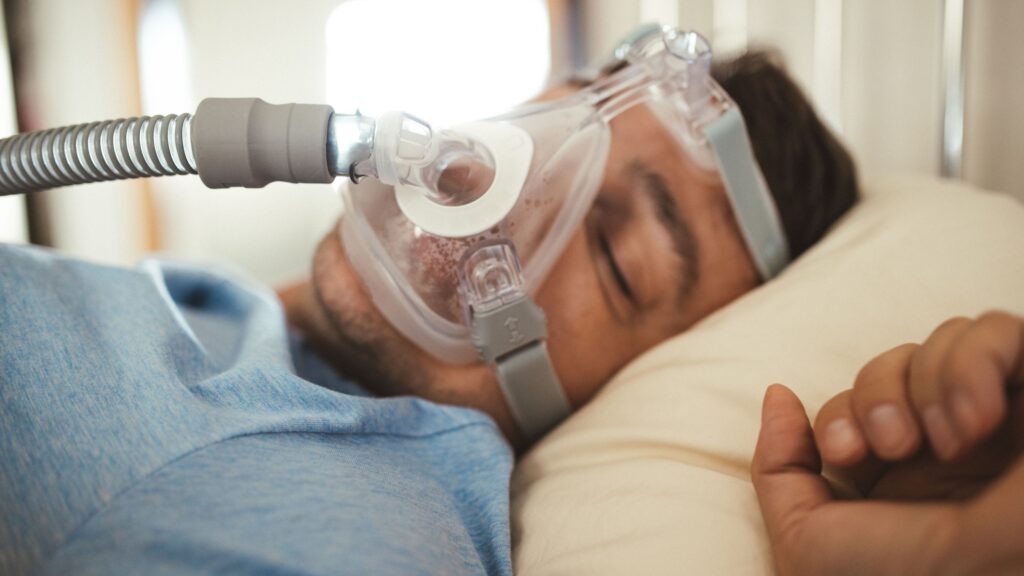
The first night is overwhelming. A mask on the face, air rushing in, the strange sensation of pressure. Without preparation and reassurance, that first night can be so unpleasant that the patient never truly gives the therapy a chance.
Discomfort goes unaddressed. The mask leaks. The pressure feels too high. The air is dry and irritating. The patient assumes this is simply how it feels and endures it until endurance becomes impossible.
Results are not immediately visible. Unlike a painkiller that provides relief within minutes, CPAP works silently over weeks. Patients who do not understand this may stop because they "don't feel any different."
Follow-up is absent or delayed. The patient struggles alone, assumes they are the problem, and gives up before anyone reaches out to help.
None of these are failures of willpower. They are failures of support.
The JCS Protocol: Structured Support for Lasting Adherence
At JCS Lung and Sleep Centre, we do not hand over a machine and wish the patient luck. We have built a structured adherence protocol because we know that success does not happen by accident. It happens by design.
Week 1: The Check-In
The first week is the most vulnerable period. Within seven days of starting therapy, we call every patient. Not to download data or check compliance numbers, but to check in.
How did the first few nights feel? Is the mask comfortable or irritating? Are you struggling to fall asleep with it? Is your partner noticing any difference?
This call serves two purposes. It catches small problems before they become big reasons to quit. And it signals to the patient that they are not alone in this journey. Someone is watching, someone cares, and someone will help.
Month 1: The First Review
By the one-month mark, patterns have begun to emerge. We conduct a face-to-face or video review with every patient. We download the data, but we also listen.
This is where we catch the subtle issues the machine cannot detect. The spouse who still complains about noise. The morning dryness that is becoming unbearable. The lingering doubt about whether this is really working.
We also look at the data. Is usage consistent? Are there large leaks that need a mask adjustment? Is residual apnea breaking through? Sometimes the therapy needs fine-tuning, and this is the moment to do it.
Month 3: The Deeper Dive
Three months in, we have enough data to understand the patient's long-term trajectory. By now, patterns are clear. Are they using it consistently? Is the therapy effective? Are they experiencing the expected improvements in energy, cognition, and well-being?
If not, we dig deeper. Sometimes the right pressure is not the same as the first pressure. Sometimes the mask type needs to change. Sometimes there are other sleep issues, like residual central events or periodic limb movements that were not apparent at diagnosis.
This is also the moment to celebrate success. Patients who have made it to three months are often sleeping better and functioning better. Acknowledging that progress reinforces their commitment.
Month 6 and Beyond: Long-Term Partnership
Sleep needs change. Weight changes. Health changes. Therapy should change too.
We maintain contact with our patients beyond the initial months. Annual reviews, data checks, and ongoing availability ensure that when something shifts, we catch it early. CPAP therapy is not a one-time prescription. It is a long-term partnership.
One Simple Tip That Changes Everything: The 20-Minute Rule
Over the years, we have collected countless small insights from patients who successfully adapted to CPAP. Some are technical. Some are medical. Some are surprisingly simple.
One of the most effective tips we share with every new patient is something we call the 20-Minute Rule.
Here is how it works:
You put your mask on, settle into bed, and start the machine. If you cannot fall asleep within 20 minutes, do not lie there staring at the ceiling with the mask on. Take it off.
Get up. Read something boring. Listen to calm music. Sit quietly. When you feel drowsy again, put the mask back on and try again.
The reasoning is simple but important. Lying awake with a mask on trains your brain to associate CPAP with frustration, wakefulness, and struggle. The goal is to build a positive association, night by night. Short, successful sessions are far more valuable than long, miserable ones.
Patients who follow this rule report that within a few weeks, they no longer need it. Falling asleep with the mask becomes automatic. But in those early vulnerable nights, it can make the difference between persevering and quitting.
Adherence vs. Residual Disease: An Important Distinction
Here is something every patient and physician should understand. A patient can use CPAP every single night and still feel tired. This is not necessarily a failure of adherence. It may be a sign of residual disease.
Sometimes the prescribed pressure is not optimal. Sometimes there are complex events the CPAP cannot address. Sometimes there are other sleep disorders, like insomnia or restless legs that need their own treatment.
When a patient tells us they are using the machine but still feel exhausted, we do not assume they are doing something wrong. We assume the therapy needs adjustment. This shift in perspective, from blaming the patient to troubleshooting the treatment, is at the heart of effective sleep medicine.
What Patients Can Do
If you are using CPAP and struggling, know that you are not alone and you are not the problem. Here are some steps you can take:
Talk to your provider. Do not suffer in silence. If the mask is uncomfortable, if the pressure feels wrong, if you are waking up with a dry mouth or a bloated stomach, tell someone. These are solvable problems.
Be patient with yourself. Adaptation takes time. The 20-Minute Rule exists because even the most motivated patients have difficult nights. Give yourself permission to struggle and keep trying.
Track your progress. Notice the small improvements. Better energy in the morning. Fewer trips to the bathroom at night. A partner who is sleeping better too. These are signs that therapy is working, even if the change feels gradual.
Stay connected. Adherence drops when patients feel isolated. Regular follow-up, whether with your provider or with online support communities, makes a difference.
What Physicians Can Do
For my colleagues in sleep medicine and related fields, I offer this reflection. When a patient calls and says, "I cannot tolerate this machine," our first instinct is often technical. Adjust the pressure. Change the mask. Try a different mode.
But before we reach for the prescription pad, we should ask a different question: "Tell me about what happened when you put it on."
The answer to that question often reveals more than any data download. It reveals fear, frustration, misunderstanding, or simply the need for reassurance. Addressing that human dimension is often the most effective intervention we can offer.
Adherence is not a binary state. It is a continuous process that requires our active participation. When we label a patient non-compliant, we are not describing them. We are describing our own failure to support them adequately.
The JCS Commitment
At JCS Lung and Sleep Centre, we are committed to being there for every patient, not just at diagnosis, but through every stage of their treatment journey. Our structured adherence protocol, our willingness to listen and adjust, and our belief that every patient can succeed with the right support are not just policies. They are the foundation of how we practice medicine.
If you are struggling with CPAP, if you have tried and stopped, if you are afraid to start because you have heard it is difficult, we want you to know this: you are not the problem. And you do not have to figure it out alone.
Let Us Help You Succeed
For patients: If CPAP therapy has been difficult, if you have questions, or if you simply need someone to talk through the challenges, we are here. A conversation can change everything.
For physicians: If you have patients struggling with adherence, we offer collaborative support and shared care pathways. Together, we can improve outcomes.